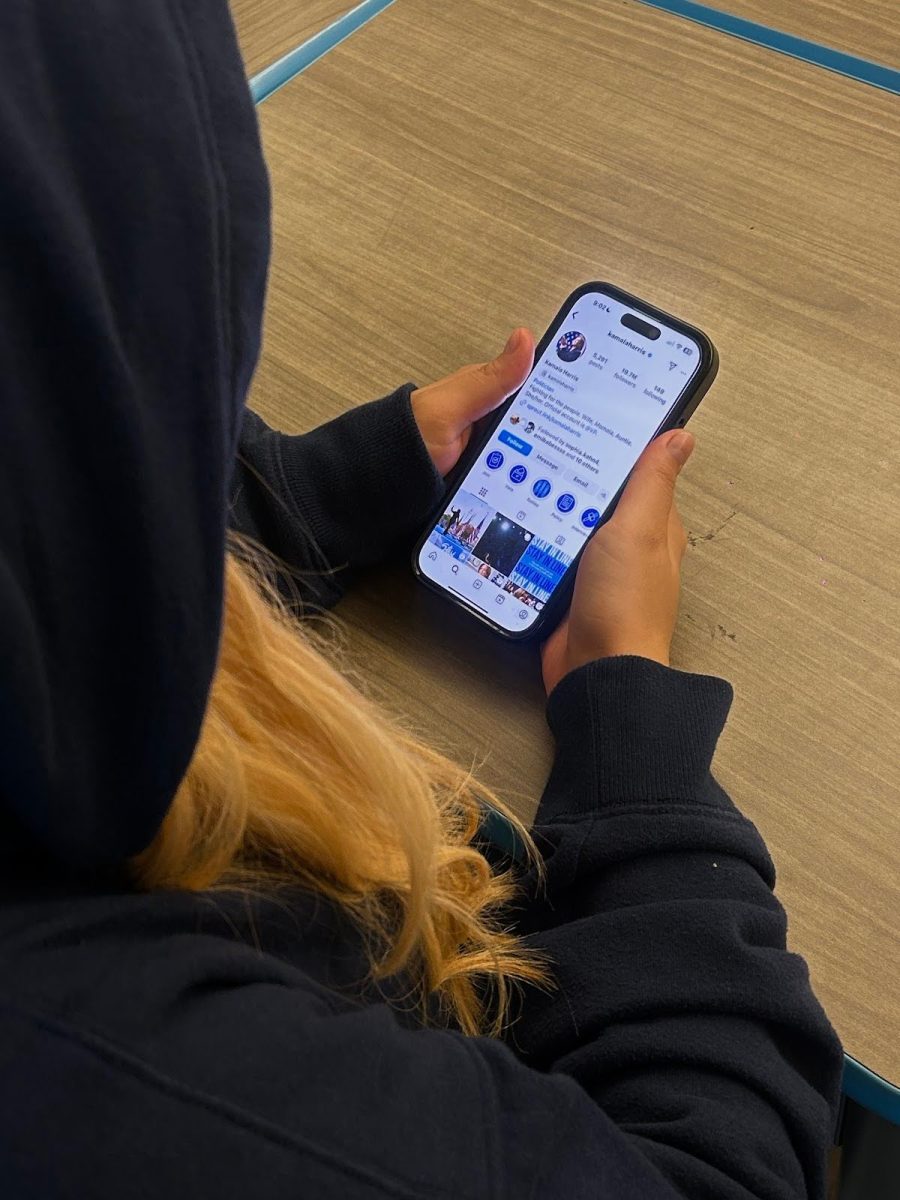


Over the past 10 years, adolescent literacy rates in New York City have dropped. In the 2023-24 school year, 48% of eighth-graders did not reach reading proficiency on the NYC ELA assessment. Causes may include the rise of short-form content, lack of curriculum updates and the exclusion of basic skills such as phonics from children’s instruction.
Since 2024, city and state administrations have made efforts to improve literacy and reading. Gov. Kathy Hochul introduced the statewide “Back to Basics” plan, which allocated additional funding for hiring and training educators, expanding CUNY and SUNY and updating reading curricula for children. That effort worked in tandem with the 2024 NYC Reads initiative by NYC Public Schools, which focuses elementary-school curriculum on evidence-based reading skills.
Students who tutor others have also noticed a downward trend. Anika Singh Sood, an Academy senior and reading tutor for elementary students, says younger students “have trouble reading due to low attention spans and start playing games while doing homework.”
Kelly Feeney, a fourth-grade teacher at P.S. 54, says scores have been slowly improving since the literacy initiatives were implemented. She cites internet games and a lack of explicit instruction as hindrances to students’ reading skills. “While the rest of the class reads independently, we work in targeted intervention groups to help close literacy gaps and give struggling students what they need,” she said.
Although students benefiting from recent initiatives won’t reach high school for years, Academy English teacher Claire Pustinger is concerned about current students’ lack of reading stamina. She wants to shift classroom instruction back to whole books and said, “Students should read independently at home to build reading habits … many struggle to focus for more than five minutes of sustained, in-class reading.”
In an increasingly digital world, it is imperative to maintain strong literacy and attention spans in the next generation. While these results are concerning, educators hope recent initiatives will improve New York City students’ abilities.